From Science to Field Implementation: MATABIMA’s Role in Coastal and Marine Conservation
From Science to Field Implementation: MATABIMA’s Role in Coastal and Marine Conservation
Indonesia’s coastal and marine ecosystems are among the most biodiverse in the world, supporting fisheries, coastal protection, tourism, and the livelihoods of millions of people. However, these ecosystems are increasingly threatened by coastal development, pollution, climate change, and unsustainable resource use. Addressing these challenges requires conservation approaches that move beyond theory—solutions must be scientifically sound and effectively implemented in the field. PT Matabima Bersama Indonesia (MATABIMA) plays a vital role in bridging this gap by transforming scientific research into practical conservation action.
Science as the Cornerstone of Conservation
At the core of MATABIMA’s conservation approach is science. Every project begins with rigorous data collection and environmental analysis to understand ecosystem conditions, pressures, and vulnerabilities. Baseline studies, biodiversity assessments, and environmental monitoring provide the foundation for designing targeted conservation strategies.
By applying established scientific methodologies and adhering to national and international standards, MATABIMA ensures that conservation planning is evidence-based and transparent. This scientific rigor enables informed decision-making and reduces uncertainty in complex coastal and marine environments.
Integrated Coastal and Marine Planning
Coastal and marine conservation requires an integrated perspective that considers ecological processes, human activities, and regulatory frameworks. MATABIMA delivers integrated planning services that align environmental studies, spatial analysis, and policy requirements.
Our work supports coastal zone management, marine spatial planning, and environmental permitting processes such as AMDAL, RKL-UPL, and KPRPL. Through close coordination with government agencies, research institutions, and stakeholders, MATABIMA helps ensure that conservation measures are both compliant and effective.
From Research to Practical Field Implementation
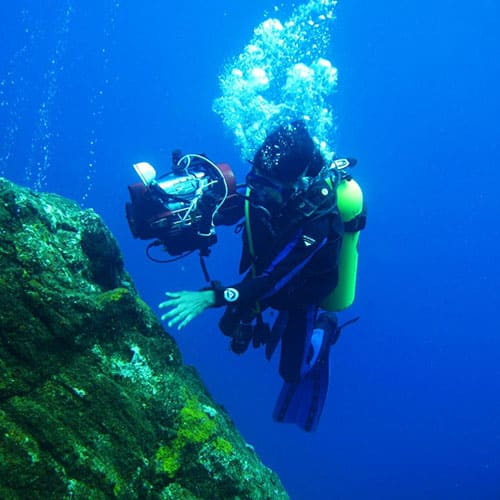
Scientific research achieves real value only when it leads to action. MATABIMA specializes in translating conservation plans into field-based implementation. Our teams are experienced in operating in diverse and challenging environments, including remote islands, offshore locations, and underwater settings.
Field implementation activities include coral reef restoration, mangrove rehabilitation, environmental monitoring, pollution mitigation, and underwater inspections. Each activity is carried out with strict attention to safety, precision, and environmental responsibility, ensuring that conservation objectives are met on the ground.
Ecosystem Restoration and Rehabilitation
Degraded ecosystems require carefully designed restoration interventions. MATABIMA applies science-based restoration techniques tailored to local environmental conditions. In coral reef rehabilitation, for example, we utilize appropriate substrates and structural designs to support coral growth and biodiversity recovery. In mangrove restoration, we consider hydrology, sediment dynamics, and species suitability to improve survival rates and long-term resilience.
By integrating monitoring and adaptive management, MATABIMA ensures that restoration efforts remain effective and responsive to changing environmental conditions.
Small Island and Marine Ecosystem Expertise
Small islands and marine ecosystems are particularly vulnerable to environmental degradation and climate change impacts. Limited land area, freshwater scarcity, and reliance on marine resources make these systems sensitive to disturbance. MATABIMA places special focus on small island conservation, including carbonate and karst ecosystems commonly found in eastern Indonesia.
Through applied research and field exploration, MATABIMA supports sustainable water resource development, habitat protection, and ecosystem-based management strategies that balance conservation with community needs.
Managing Environmental Risks in Marine Environments
Marine conservation is closely linked to environmental risk management. Shipping accidents, industrial spills, and infrastructure development can cause significant damage to marine ecosystems. MATABIMA provides scientific assessments and field expertise to manage these risks, including environmental damage surveys, spill mitigation planning, and post-incident monitoring.
Working with insurance companies, licensed technical partners, and authorities, MATABIMA ensures that conservation responses are timely, effective, and based on objective scientific evidence.
Community Engagement and Sustainable Conservation
Successful conservation depends on the active involvement of local communities. MATABIMA recognizes that coastal and marine ecosystems are closely connected to community livelihoods and cultural values. Our projects prioritize community engagement, capacity building, and knowledge transfer to ensure long-term sustainability.
By involving communities in conservation planning and implementation, MATABIMA helps foster shared responsibility, reduce conflict, and enhance environmental stewardship.
Commitment to Safety, Quality, and Integrity
Operating in marine and coastal environments requires strict safety and quality standards. MATABIMA maintains a strong commitment to occupational health and safety, particularly in underwater and remote field operations. Our quality management practices ensure consistent project delivery, accurate reporting, and continuous improvement.
Integrity and transparency guide every stage of our work, reinforcing trust with clients, partners, and stakeholders.
Conclusion
From scientific research to hands-on field implementation, MATABIMA plays a critical role in advancing coastal and marine conservation in Indonesia. By integrating science, planning, and practical action, PT Matabima Bersama Indonesia delivers conservation solutions that are effective, reliable, and sustainable.
As environmental pressures continue to grow, MATABIMA remains committed to transforming scientific knowledge into meaningful conservation outcomes—protecting Indonesia’s coastal and marine ecosystems for present and future generations.

PT. Matabima Bersama Indonesia
Jl. Magelang Km 4 No. 188 RT.008 / RW 003, Karang Waru, Tegalrejo, Yogyakarta.
WhatsApp :
8112639439
Phone : 08112639439
© Copyright 2026, PT Matabima Bersama Indonesia. All Rights Reserved.